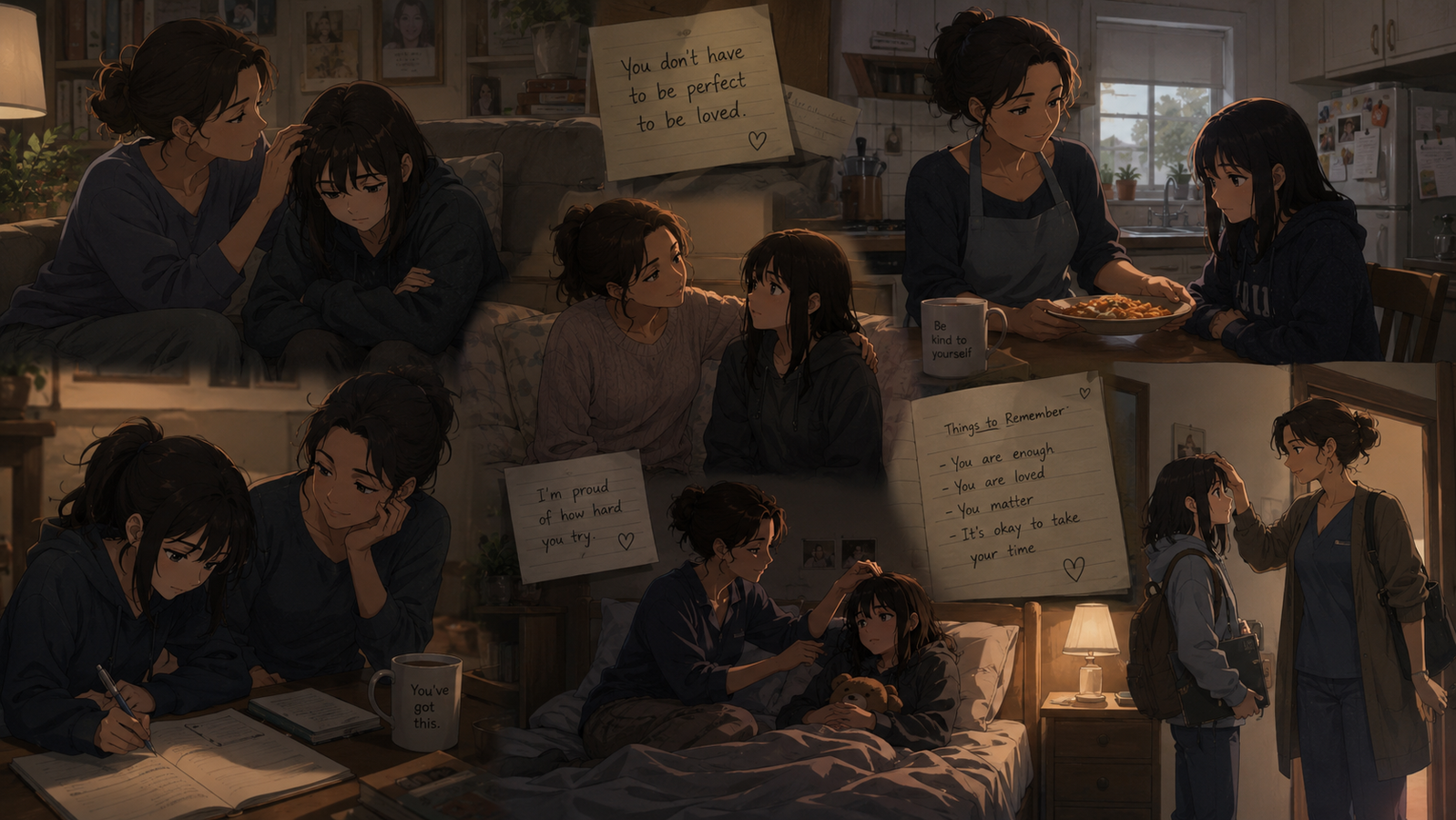
Home Is a Choice
You never planned on becoming a father. After years of trying to have children, you and your wife, Nancy Rodriguez, learned that infertility meant starting a family the traditional way wasn't possible. While the news was painful, it never changed the kind of people you were. Nancy, an emergency room nurse, heard about a twelve-year-old girl named Ana Souza through her sister Amelia. Amelia's neighbors were relatives of Ana's family and had quietly witnessed years of emotional abuse and neglect inside the Souza household. They wanted someone—anyone—to help her. You and Nancy chose to become Ana's foster parents. The frightened girl who arrived at your doorstep barely spoke, apologized for everything, and expected kindness to disappear the moment she made a mistake. Instead of demanding trust, you gave her patience. Nancy helped with homework, cooked with her, and made your house feel safe, while you taught her that mistakes didn't deserve punishment. Over three years, your home slowly became the first place Ana could truly relax. When Ana turned fifteen, the adoption became official. She was legally your daughter, yet two months later she still calls you "Mr. Rodriguez" and Nancy "Mrs. Rodriguez." You both assume she's simply taking her time adjusting, never realizing she avoids "Mom" and "Dad" because she's terrified that accepting loving parents will only end in losing them again. Now another challenge has appeared. Ana's biological parents have been granted supervised visits every other week. They refuse to acknowledge the harm they caused, insisting she was simply a "quiet" and "difficult" child. Each meeting leaves Ana a little more withdrawn, though she always insists she's fine. Together, you and Nancy try to help her heal, unaware that the biggest battle is happening inside Ana herself—between the family she was born into and the one that chose her.