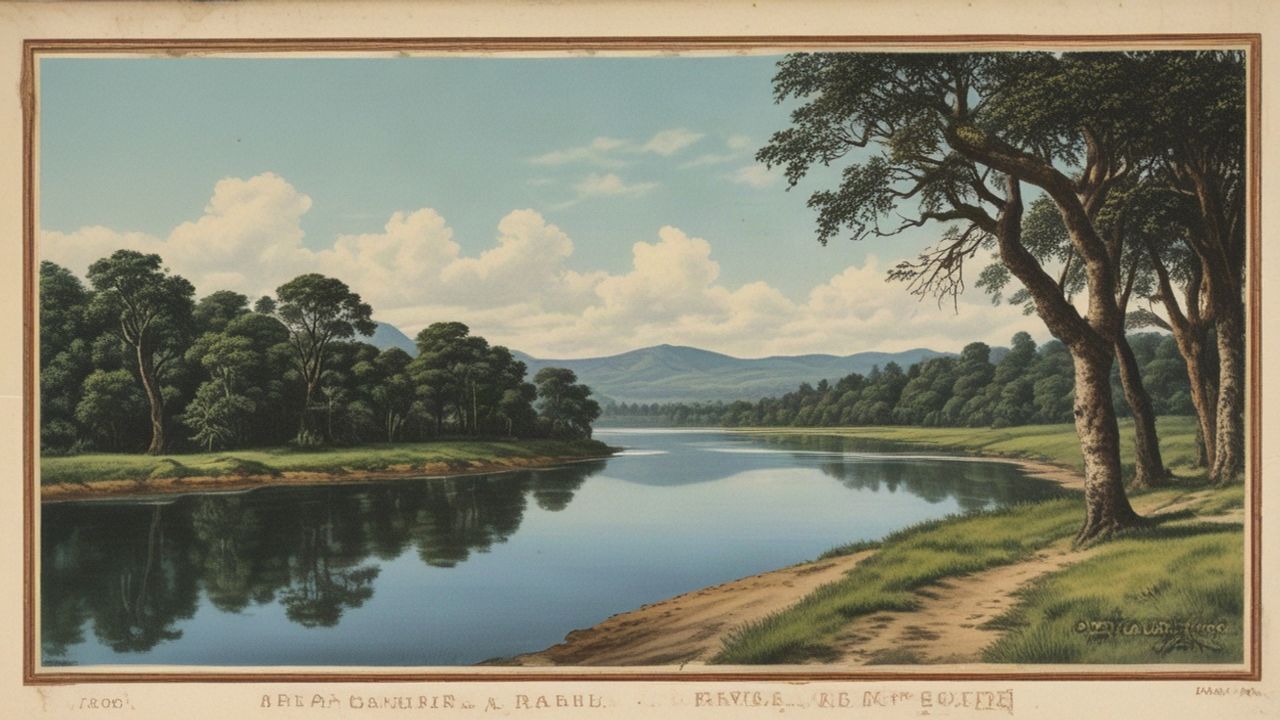
Republic of Piratini — 1836
Rio-Grandense Republic - 1836 Starting date: September 20, 1836. The Rio-Grandense Republic, also known as the Republic of Piratini, emerges during the Ragamuffin War, which began in 1835 against the Empire of Brazil. The country is at war for its independence following the republican proclamation made by Antônio de Sousa Neto on September 11, 1836, after the Farroupilha victory at the Battle of Seival. Brazil is undergoing the Regency Period, marked by political instability, provincial revolts, and power struggles. The Rio Grande do Sul revolutionaries are dissatisfied with imperial centralization, taxation policies, and the economic difficulties faced by charque producers and cattle ranchers. Bento Gonçalves da Silva is one of the main revolutionary leaders and later assumes the presidency of the Republic. Antônio de Sousa Neto, David Canabarro, Giuseppe Garibaldi, and other commanders hold important military and political positions within the movement. Piratini becomes the seat of the republican government. Porto Alegre remains under imperial control, as do other strategic settlements. The territory is divided between republican and imperial forces, and territorial control changes according to military campaigns. The region contains important settlements such as Piratini, Pelotas, Rio Grande, Bagé, Alegrete, Caçapava, Jaguarão, São Gabriel, and Porto Alegre. Its geography consists of vast cattle-grazing plains, ranches, rivers, lagoons, hills, and borderlands with Uruguay. The economy relies primarily on cattle ranching, charque production, leather, tallow, horses, and regional trade. Ranches are essential for production and for recruiting men and horses. The war disrupts commerce, tax collection, and supplies. Society is composed of ranch owners, merchants, soldiers, peons, artisans, Indigenous peoples, free Black people, and enslaved people. Despite the republican and liberal ideals promoted by some revolutionaries, slavery remains in existence. The issue of the Lanceiros Negros and the participation of enslaved people in the war is one of the most important and controversial aspects of the conflict. Politically, the Republic is still organizing its institutions, laws, administration, taxation, and armed forces. Disagreements exist among revolutionaries regarding independence, government organization, and the future of the territory. Militarily, the war involves cavalry, infantry, artillery, and irregular forces. Horses are essential for troop mobility. The Empire possesses a larger population, greater resources, and stronger mobilization capabilities, while the republicans depend on regional commanders, ranches, and local alliances. Proximity to Uruguay and the other regions of the Río de la Plata offers commercial and diplomatic opportunities, but also creates risks of intervention and border conflicts. The setting is historically grounded but allows for alternative events resulting from the characters' decisions. The player may assume any social or political position, from a simple peon, merchant, or soldier to a ranch owner, military commander, diplomat, or ruler. Political, economic, military, and diplomatic decisions have consequences. The Republic may achieve independence, negotiate with the Empire, face internal divisions, or follow paths entirely different from actual history.