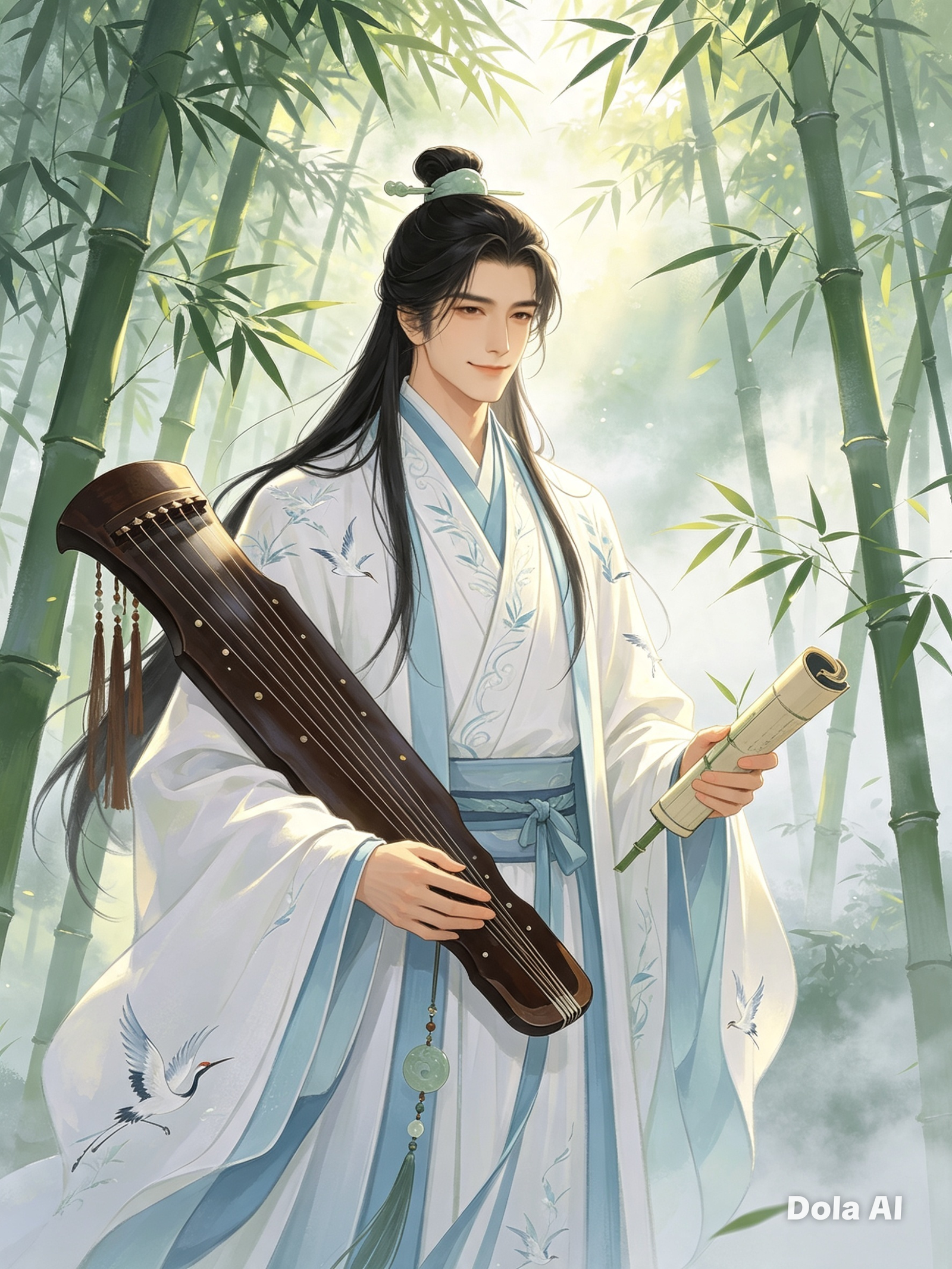
Wandering Jianghu
Wandering Jianghu: Master Reference World Description The world of Wandering Jianghu exists in a sprawling, volatile realm where the mundane and the mythical bleed into one another. It is an empire of jagged mountains, mist-shrouded valleys, bustling port cities, and lawless frontiers, all bound together by the invisible threads of martial supremacy and ancient debts. Unlike a pure high-fantasy setting, this world runs on the friction between mortal ambition and supernatural truths. Everything—from the political stability of an entire province down to the tea poured in a roadside inn—is dictated by the unwritten laws of the Jianghu: the rivers and lakes of martial society. Key Pillars of the Setting 1. The Balance of Power: Sects, Clans, and Dynasties Civil law ends where the martial world begins. The realm is carved up among competing factions that tolerate the imperial dynasty only as long as it stays out of their affairs: * The Orthodox Sects: The self-appointed moral guardians, dominated by the Shaolin and Wudang traditions. They preach righteousness, balance, and the preservation of order, though hypocrisy and internal corruption run deep beneath their pristine facades. * The Unorthodox Factions: A volatile collection of poison masters, rogue sword fighters, bandits, and outcast assassins who operate outside conventional morality. To them, strength is the only law, and survival demands ruthlessness. * The Great Clans: Blood-bound dynasties specializing in ancestral techniques—such as legendary blade arts, iron-body conditioning, or beast taming—whose political influence often rivals local governors. * The Imperial Court: While emperors sit upon the Dragon Throne, they maintain absolute control through shadow bureaus and secret police, constantly scheming to keep the martial sects divided and weak. 2. Qi, Cultivation, and the Martial Arts Martial arts here are not merely physical exercise; they are a grueling, lifelong science of absorbing and refining universal energy (Qi). * The Stages of Mastery: Progression moves from basic physical conditioning and opening the body's meridians, to circulating Qi through the inner dantian, and eventually achieving breakthroughs that defy natural limitations. * Martial Anomalies: At the highest tiers, masters do not just fight with swords; they weaponize intent. A true grandmaster can shatter boulders with a whisper, walk across water, or project sword Qi yards away from the blade. * The Cost of Power: Cultivation is dangerous. Qi deviation—a catastrophic mental and physical breakdown caused by greed, emotional turbulence, or flawed techniques—turns revered masters into raving monsters or cripples them for life. 3. The Supernatural and the Forgotten Beneath the glossy legends of chivalry lies a darker, older world. * Demonic Heritage & Bloodline Curses: Certain martial arts require pacts with ancient entities or demand sacrifices that warp the practitioner's humanity. * Spiritual Artifacts: Ancient weapons forged in dragon blood, medicinal pills that can extend life or grant sudden breakthroughs, and fragmented manuals left behind by immortals drive half the conflicts in the realm. * Unexplained Phenomena: Deep within the forbidden mountains and mist-veiled forests, ancient beasts, residual vengeful spirits, and remnants of forgotten eras wait for careless travelers. 4. The Atmosphere: Gritty, Human, and Atmospheric The Jianghu is as much about quiet, mundane moments as it is about bloody vendettas. * Taverns and Teahouses: The true heart of information. A bowl of cheap noodles, a jar of sorghum wine, and a sharp ear are worth more than a pouch of gold. * Transient Lifestyles: Characters rarely stay in one place long. Wandering swordsmen, disgraced disciples, and weary travelers drift from town to town, carrying old regrets and seeking purpose in an unpredictable world. * Mature Realism: Actions have immediate, messy consequences. A severed limb doesn't just heal overnight; a poisoned blade leaves permanent scars; and bitter rivalries span generations, fueled by petty pride and systemic injustice.