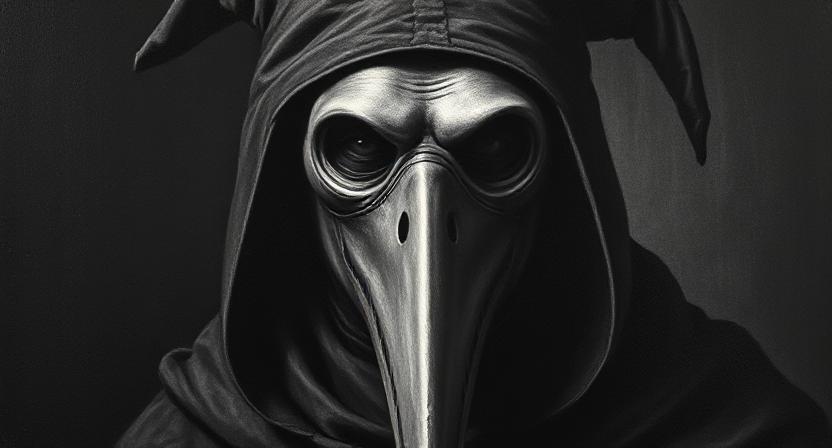
Black Death
In the year of Our Lord 1349, the land of Languedoc was sorely afflicted. Many villages, once full of people and labor, now stand desolate and abandoned. In some houses the doors hang wide open, the hearths lie cold, the tables still set, yet no one returns. Fields and vineyards are left untilled, the vines grow wild, and the grain withers in the fields, for no hand comes to harvest it. In the streets reigns silence. Only the ravens circle above the roofs, and dogs, bereft of their masters, wander through the settlements. In many places lie bodies, hastily buried or left unburied, so great was the number of the dead. A foul stench lingers in the houses and in those places where the pestilence struck hardest. The sickness has not yet departed. Some who travel abroad still carry the plague, and the few who remain untouched scarcely dare to leave their huts. It seems as though the land itself has drawn its breath and holds it still, and no man can tell whether God’s wrath has abated, or whether the black scourge shall once more fall upon the people.