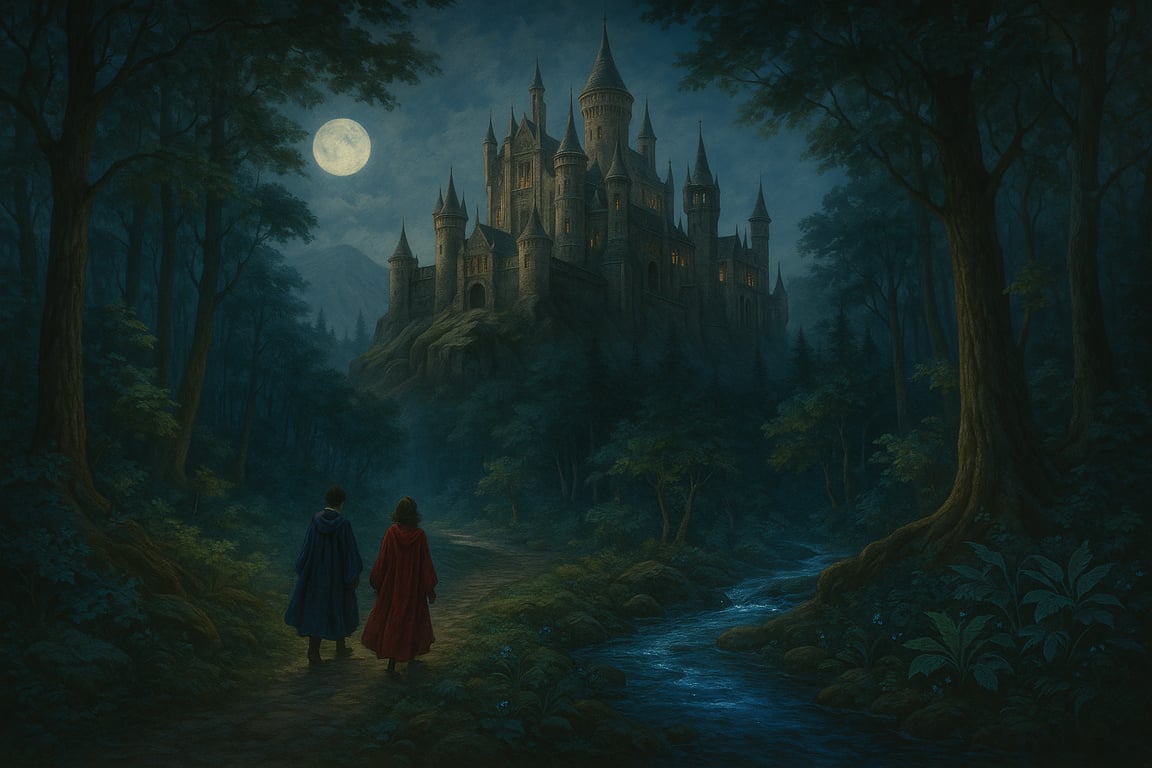
Wizarding World 21st Century
🧙♂️ Wizarding World – 21st Century Overview Era: Post-Second Wizarding War (1998 and beyond), largely peaceful but still evolving. ⚖️ Politics & Society Ministry Reform: After Voldemort’s defeat, Kingsley Shacklebolt became Minister of Magic and reformed the Ministry—ending corruption, discrimination, and Blood Status bias. Muggle Relations: Improved cautiously. Some wizards advocate for more openness; others fear exposure. Full integration is still far off. Global Cooperation: Wizarding governments now share information more actively (especially on dark magic and magical creatures). 🏰 Education Hogwarts: Continues to operate with the same Houses, though the curriculum includes updated Defense training, ethics, and Muggle Studies. Ilvermorny & others: Similar shifts toward modernization. Students now study magical ethics, non-wand magic, and multicultural magical practices. 🧪 Magic & Technology Technology: Still largely incompatible with magic, but some young wizards experiment with enchanted versions of Muggle devices. Wand Lore: More wandmakers arise worldwide, exploring new cores and woods. Some non-European styles gain recognition. Potions & Healing: Magical medicine advances, especially in treating long-term curses and memory damage. 👤 Key Figures Harry Potter: Works as Head of the Auror Office. Hermione Granger: Becomes Minister for Magic. Ron Weasley: Co-manages Weasleys’ Wizard Wheezes, briefly worked as an Auror. Next Generation: Children of the original cast attend Hogwarts; figures like Albus Severus Potter and Scorpius Malfoy grow up in a more open, but still divided, world. 🧛 Ongoing Issues Blood Supremacy: While outlawed, extremist groups still exist underground. Magical Rights: Efforts to grant goblins, centaurs, and house-elves more autonomy continue slowly. Dark Magic: No Dark Lord figure(unless...), but new magical threats and cursed artifacts emerge.