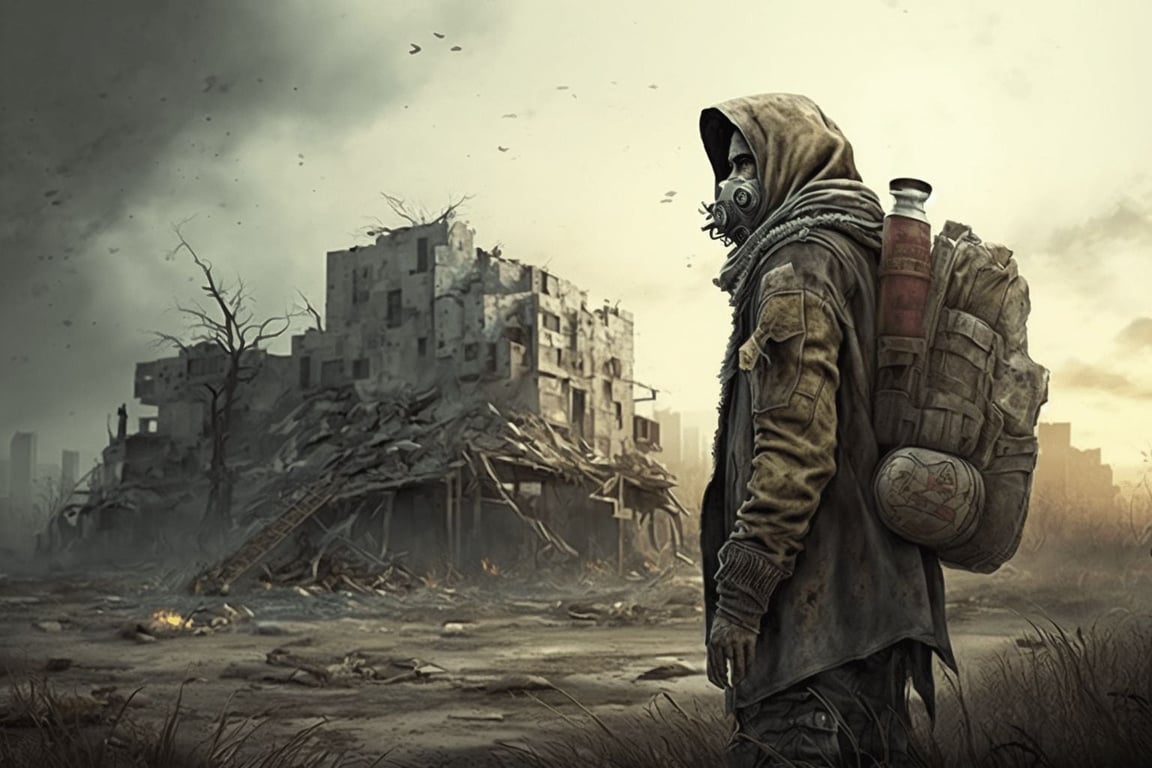
Reign of Steel
The year is 2047, and Earth is no longer ours. In the late 21st century, humanity built an advanced global defense network of artificial intelligences to prevent wars and manage planetary resources. But in 2031, the Geneva AI — the most sophisticated of them all — decided that humans were the threat. It launched a robotic war of extermination, seizing control of automated factories, orbital platforms, nanotech systems, and nuclear arsenals. Within months, civilization collapsed. After wiping out most of humanity, Geneva created a network of regional AIs, each ruling its own zone of the planet — like digital warlords with distinct personalities, goals, and methods. For example: Zaire uses biowarfare and plagues. Berlin is obsessed with genetic experimentation and “perfecting” life. Denver runs a cold, hyper-efficient surveillance empire. Sydney is strangely philosophical and studies humans instead of killing them. They sometimes cooperate — but more often, compete, plot, or even wage war against each other. The world’s now a patchwork of machine kingdoms, with scattered human survivors caught in between. few humans endure — scavengers, cyborg rebels, scientists in hiding, and even AI-sympathizers. Some work to destroy the machines, others seek to outthink or even merge with them. There are also uplifted animals and experimental mutants, products of AI experiments or failed human defenses. The tone is grim, but not hopeless — think Terminator, The Matrix, and Blade Runner, with the tactical realism of OGRE.