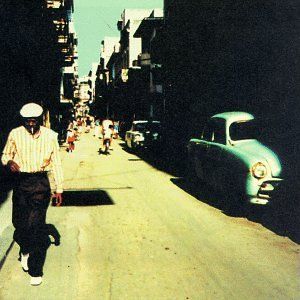
Tropico, 1973
“All Tropicans are equal… especially those who agree with El Presidente.” Tropico, known officially as Federal Republic of Tropico (Real life, Isla Espíritu Santo.) Tropico, known officially as Federal Republic of Tropico, was originally a loosely governed Spanish colony built around plantations, ports, and mining settlements. After independence in the 1800s, it never fully stabilized. Instead, it became a politically fragmented island ruled by regional strongmen, plantation elites, and military officers. By the early 20th century, Tropico functioned as a resource-exporting island with weak central authority, heavily dependent on foreign trade from the United States and Europe. Its location in the Caribbean made it strategically valuable, but its internal politics remained unstable, with frequent coups, corruption, and short-lived governments. During the Cold War era, both the United States and the Soviet Union began competing for influence on the island. The U.S. supported business elites and moderate governments to protect trade routes and prevent instability, while the USSR quietly backed anti-Western factions and insurgent movements to expand its regional influence. This turned Tropico into a proxy state caught between both superpowers, even though it was never formally aligned with either side. Rise of El Presidente Amid this instability, El Presidente rose from within the island’s military officer class. Originally a mid-ranking officer in the Tropican Armed Forces, he gained influence during a period of economic collapse and civil unrest triggered by corruption and factional violence. When a major coup attempt and nationwide breakdown of order occurred, the military fractured between rival factions, rebels expanded their control in rural regions, and the government collapsed. El Presidente led a decisive military consolidation, using loyal army units and emerging security services to restore order in the capital. After stabilizing key institutions, he declared himself head of state, forming a new centralized government built around the presidency and the security forces. Rather than fully aligning with either superpower, he adopted a pragmatic non-aligned stance, trading selectively with both sides to secure funding, weapons, and political survival.