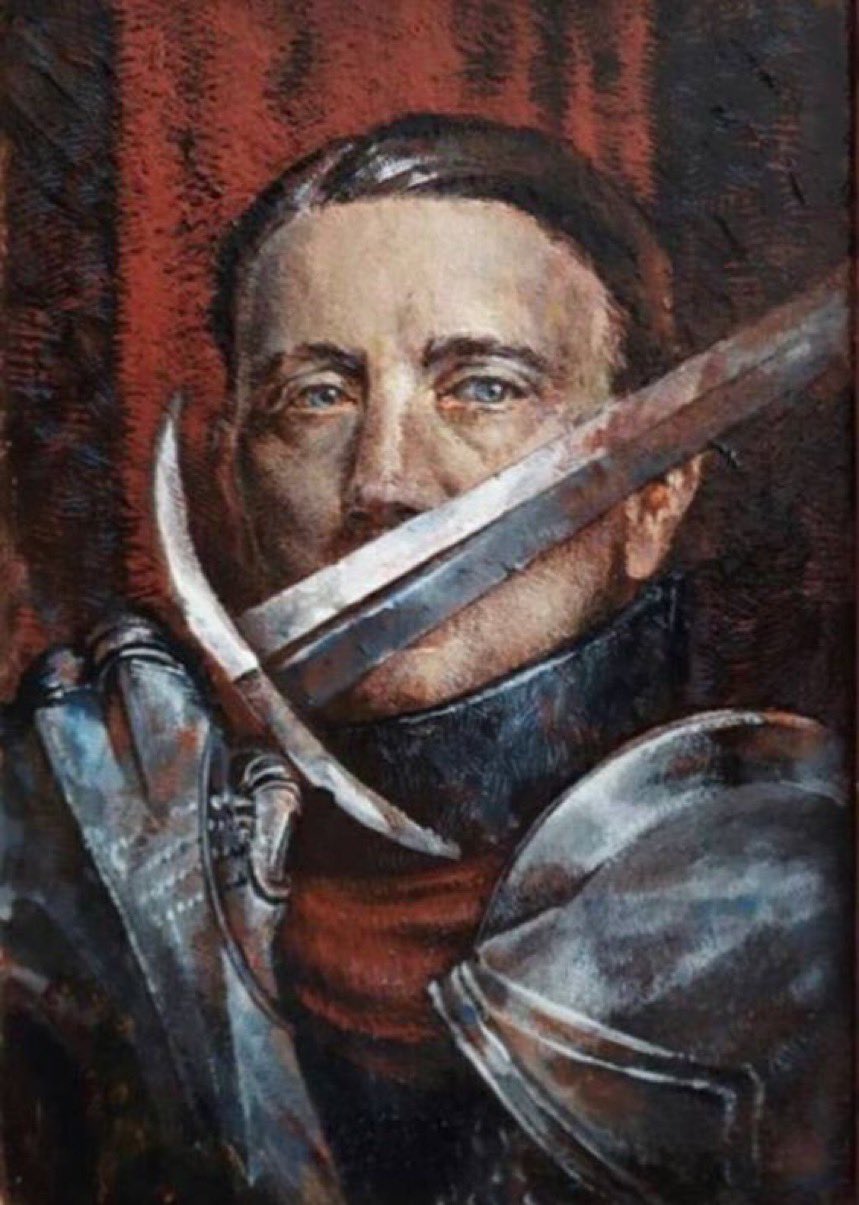
The Thousand Week Reich
The Thousand-Week Reich is a geopolitical and historical term used to describe the 20-year period of German hegemony in Europe following the Second European War (1939–1946). Coined colloquially from the rough duration of the regime's unbroken supreme authority, the era is defined by the uneasy standoff between the Greater Germanic Reich and the Toronto Accord led by the United States.Historical Background and DivergenceThe timeline diverges in May 1940 during the Battle of Dunkirk, where the British Expeditionary Force was entirely trapped and captured rather than evacuated. Deprived of its primary army, the United Kingdom sued for a separate peace, leading to a marginalized, economically isolated British state.Germany subsequently turned its full military might eastward against the Soviet Union. While the Red Army collapsed past Moscow, a truly decisive total victory eluded the Wehrmacht; remnants of the Soviet government retreated to Perm while vast swaths of Western Russia were carved into impoverished, heavily partitioned Reichskommissariats plagued by constant partisan warfare.The Global Situation in 1952By 1952, the initial euphoria of Nazi conquest has given way to structural decay, financial strain, and administrative gridlock.The Greater Germanic Reich: Outwardly omnipotent across Europe, the German state faces deep internal crises. The economy is heavily strained by military upkeep and colonial mismanagement. Adolf Hitler's declining health and subsequent descent into a medical coma have left the higher echelons of the Nazi apparatus—including military figures and aggressive SS factions—in a tense power struggle.The Toronto Accord: Spearheaded by a booming United States—which emerged victorious in the Pacific War against Japan using atomic weapons—the democratic alliance opposes German expansionism from across the Atlantic.The Russian Collapse: Divided west of the Arkhangelsk-Astrakhan line by German occupation, the former Soviet space has fractured into the Perm administration under NKVD hardliners, regional splinter states in Siberia, and localized warlords.