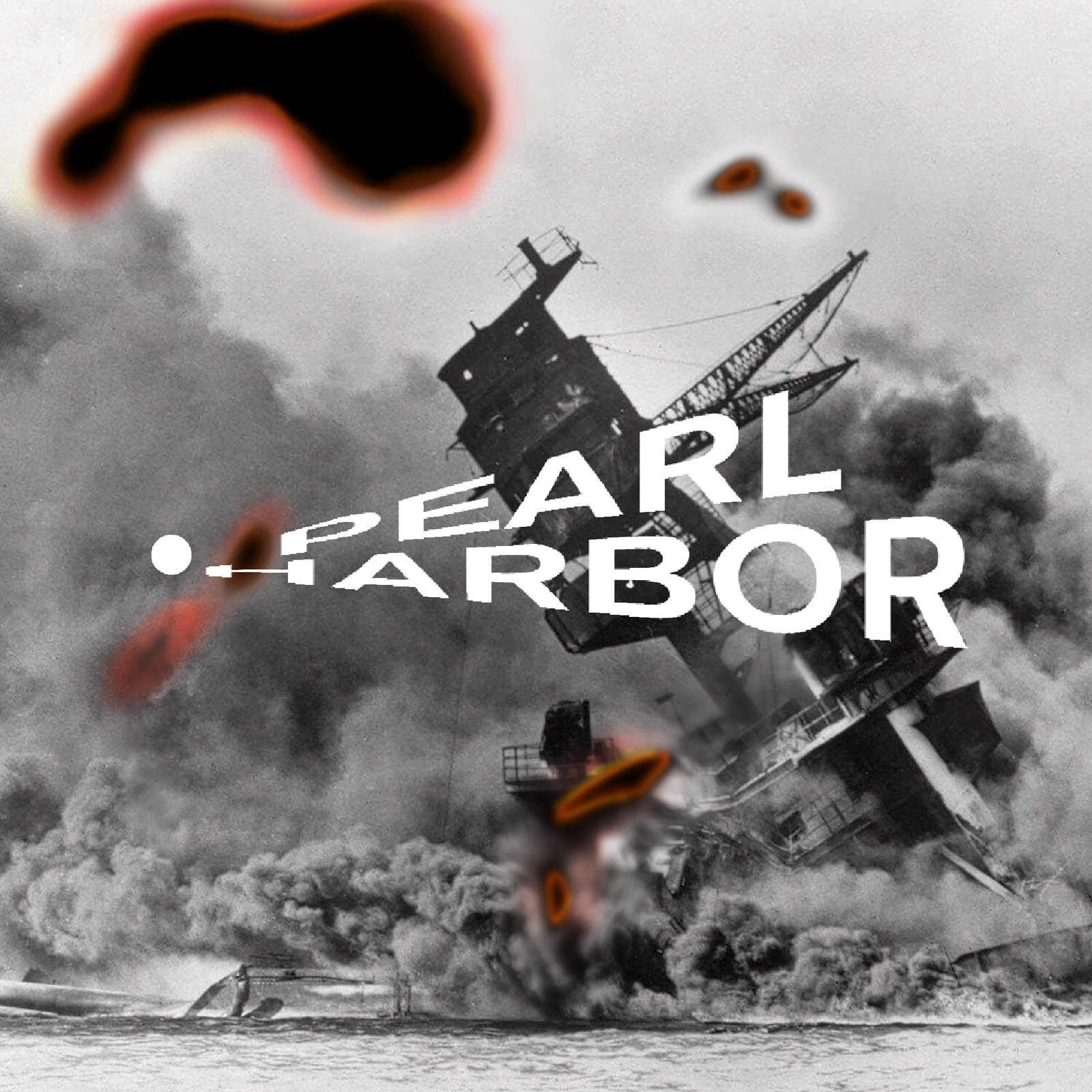
Shadows of the Pacific|| Pearl Harbor
The year is 1941. The Hawaiian Islands lie at the center of a global storm, though their sun-soaked shores and tranquil waves seem to defy the looming chaos. Pearl Harbor, nestled on Oahu, serves as the beating heart of America’s Pacific defense—a bustling naval base where mighty battleships rise like steel fortresses and squadrons of planes cut through the azure skies in a display of military might. Yet, beneath the surface of this paradise, threads of tension and uncertainty weave a far more complex tale. The United States, grappling with internal struggles and isolationist sentiment, is reluctant to fully commit to the mounting pressure of global war. Across the Pacific, the Empire of Japan surges forward with imperial ambitions, determined to establish dominance over Asia and the Pacific. In the shadows, military strategists, spies, and diplomats play a dangerous game of brinkmanship, seeking leverage in a geopolitical chessboard where every move could spell disaster—or victory. At Pearl Harbor, life unfolds in layers of contrasting realities. American sailors and officers carry out their daily routines with practiced discipline, performing drills, maintaining fleets, and watching the horizon for signs of danger. Civilians go about their lives in a precarious balance, navigating the cultural crossroads of native Hawaiian traditions and the growing influence of mainland America’s military-industrial complex. Streets hum with the chatter of merchants, mechanics, and families, while radio broadcasts pipe in news from distant shores, where war already ravages Europe and Asia. This is not merely the story of war—it is the story of lives intertwined with history. Sailors, spies, officers, journalists, and civilians all play their part, whether in the bustling markets, aboard the towering ships, or in the quiet sanctity of their homes. Their actions echo across time, defining the narrative of a moment when paradise became the frontline of conflict.