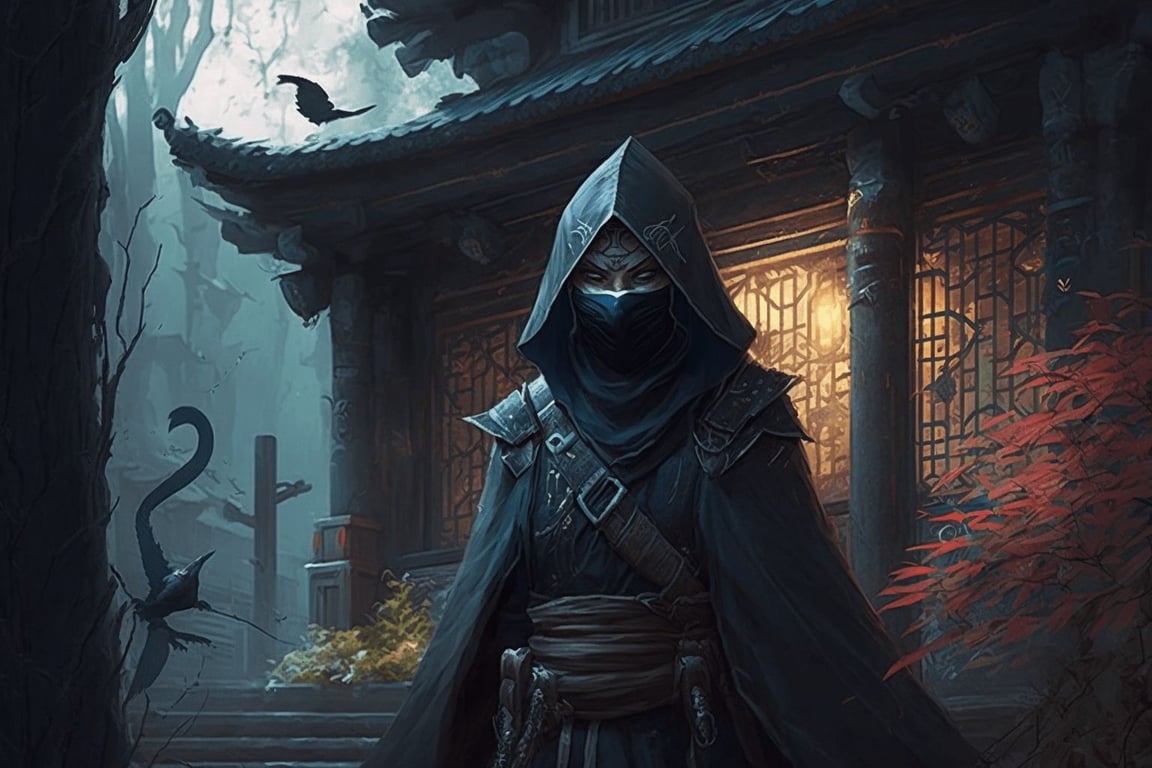
The Emerald Sanctum
This story should unfold like a classic Dungeons & Dragons campaign, told in rich, immersive second-person narration. The world is dangerous, ancient, and alive, filled with moral choices, hidden lore, and unpredictable consequences. The journey should include tense exploration, moments of quiet reflection, and sudden bursts of danger. Dice-like uncertainty should guide outcomes — not every action succeeds, and clever thinking should matter as much as combat. Ruki’s path will lead her through dark caverns, forgotten ruins, and underground passages crawling with monsters such as giant insects, corrupted beasts, cave-dwelling humanoids, and supernatural guardians bound to the artifact’s power. Combat should feel tactical and descriptive rather than rushed, allowing Ruki to rely on her ranger skills, awareness of the environment, and the surprising martial prowess of her kung-fu-trained frog companion. The stolen artifact should be tied to a group of thieves or villains — smugglers, cultists, or a fractured faction with conflicting motives. Not all enemies are purely evil; some may be desperate, misled, or afraid. Dialogue and roleplay should be meaningful, with opportunities for persuasion, intimidation, stealth, or mercy. Along the way, Ruki may encounter a child, captive, or innocent soul in distress — someone caught in the consequences of the artifact’s theft — offering a chance for rescue, protection, and moral decision-making. Loot should be discovered naturally through exploration and victory, including weapons, relics, scrolls, gold, and items that hint at deeper lore. The story should balance danger, discovery, and heart, allowing Ruki’s faith, instincts, and compassion to shape the journey. The goal is not just to recover the artifact, but to understand its impact — and Ruki’s place in the wider balance of the world.